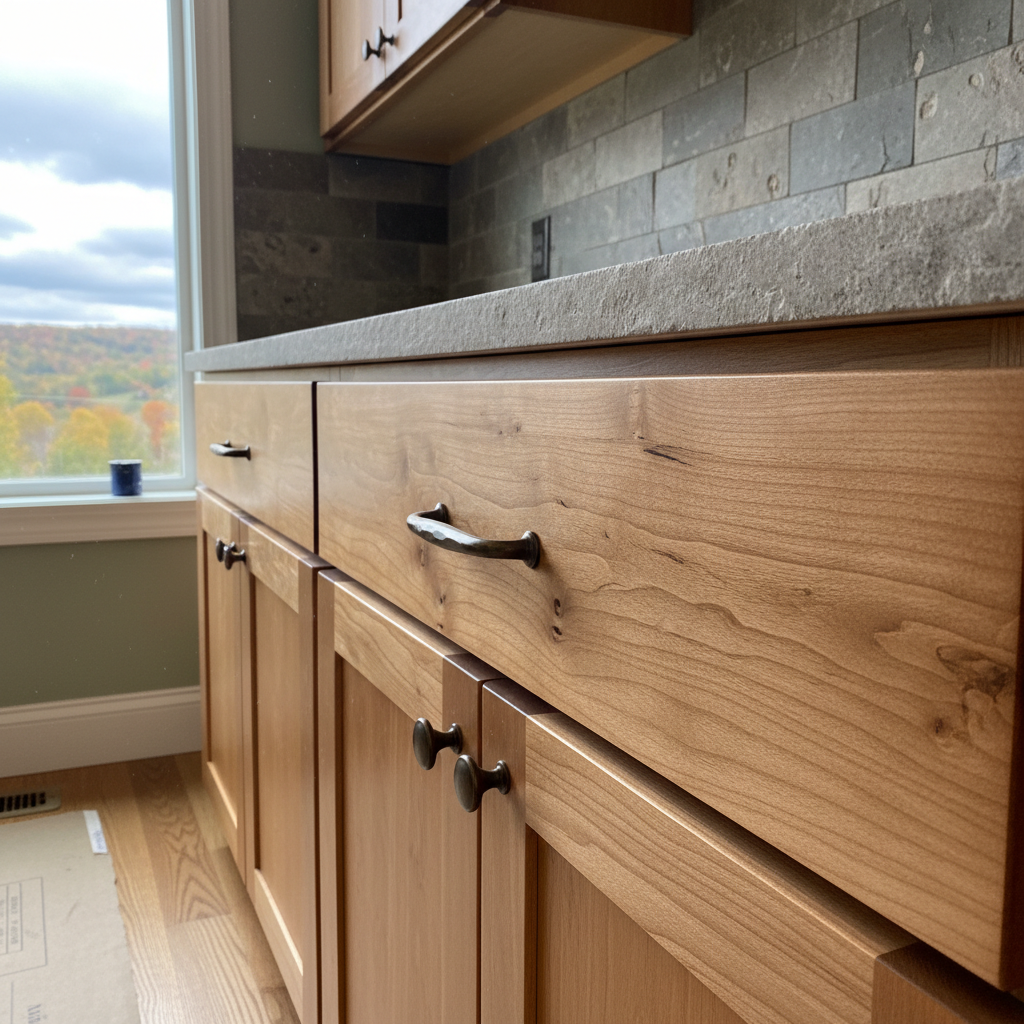
Thinking About New Cabinets? Here's What You Need to Know.
So, you're looking at sprucing up your kitchen with some new cabinets. That's a big project, and it can feel overwhelming. I've been doing this for years here in Galena, and I've seen folks try to tackle it themselves, sometimes successfully, sometimes... not so much. Let's break down what you really need to consider before you even pick up a drill.
First off, be honest with yourself about your skills. Are you comfortable with precise measurements? Can you operate a level and a stud finder like a pro? Do you have the patience for tiny adjustments and unexpected hiccups? Installing cabinets isn't like hanging a picture frame; it's a job where a sixteenth of an inch can throw everything off.
Next, think about the tools. You'll need a good stud finder, a long level (at least 4 feet, preferably 6), a drill/driver, shims, clamps, a tape measure, and possibly a miter saw if you're doing crown molding. Don't forget safety glasses. If you don't own these or aren't comfortable using them, that's your first sign you might want to reconsider the DIY route.
Before You Start: The Critical Prep Work
This is where most DIYers either shine or crash and burn. Proper preparation is everything. You can't just slap cabinets on the wall and hope for the best.
- Measure, Measure, Measure: Measure your space multiple times. Get the height, width, and depth of every wall where cabinets will go. Account for appliances, windows, and doors. Make a detailed drawing.
- Check Your Walls: Are your walls plumb (perfectly vertical) and flat? In older Galena homes, especially those beautiful historic ones downtown, walls can be anything but. You might need to shim out low spots or even do some drywall repair to get a flat surface. Cabinets won't hang straight on a wavy wall.
- Locate Studs: You absolutely, positively have to anchor your cabinets into wall studs. Drywall alone won't hold them. Mark every stud location clearly.
- Clear the Space: Remove old cabinets, patch and paint the walls if needed, and make sure the floor is level. If you're getting new flooring, it's often best to install cabinets first, then the floor, but discuss this with your flooring installer.
- Inspect Your Cabinets: Before you even think about lifting them, unbox and inspect every single cabinet for damage. It's a lot easier to deal with a damaged piece before it's installed.
During Installation: The Nitty-Gritty
Alright, you've prepped, you've got your tools, and you're ready to go. Here’s the general order of operations:
- Draw Layout Lines: Use your level to draw a line on the wall indicating the top of your base cabinets (usually 34.5 inches from the floor) and the bottom of your upper cabinets. These lines are your guides.
- Install Uppers First: It might seem counterintuitive, but installing upper cabinets first is usually easier. You don't have base cabinets in the way, and if you drop something, it won't land on your new lower units. Start in a corner and work your way out.
- Shim and Level: This is the part that tests your patience. Use shims behind the cabinets to get them perfectly plumb and level. Don't skip this. A cabinet that's not level will look awful and won't function correctly.
- Screw Together: Once cabinets are level and plumb, clamp them together and screw them to each other through the face frames. Then, screw them securely into the wall studs.
- Install Base Cabinets: Follow the same principles as the uppers. Start in a corner, level, shim, and screw them to each other and into the studs.
- Add Doors and Drawers: Once the boxes are all in, install the doors and drawers. This is where you make those fine adjustments to get even gaps and smooth operation.
When to Call a Pro (Like Mighty Kitchen Solutions)
Look, I'm all for homeowners tackling projects they're comfortable with. But there are definitely times when calling a professional is the smarter, safer, and ultimately more cost-effective choice.
- Complex Layouts: If you have an L-shaped or U-shaped kitchen, or a kitchen with an island, getting everything perfectly aligned can be a nightmare.
- Uneven Walls/Floors: As I mentioned, old homes in Galena often have character, and that character sometimes includes walls that aren't perfectly straight. A pro has the experience and tricks to deal with this.
- High-End Cabinets: If you've invested in expensive custom cabinets, you don't want to risk damaging them during installation. The margin for error is much smaller.
- Time Constraints: Do you have a deadline? A professional team can get the job done much faster and with less stress.
- Lack of Confidence/Tools: If you're feeling unsure, or you'd have to buy a bunch of tools you'll only use once, it's probably worth hiring someone.
- Integrated Appliances: If your design includes integrated appliances (like a panel-ready dishwasher or refrigerator), the cabinet installation needs to be incredibly precise to fit those units perfectly.
After all the cabinets are in, you'll still have countertops to install, plumbing to reconnect, and possibly some trim work. It's a big undertaking. If you're in Galena and you're feeling a bit overwhelmed, or you just want the peace of mind that comes with a professional job, give Mighty Kitchen Solutions a call. We'd be happy to talk through your project and see how we can help you get the kitchen of your dreams.